

How Nitric Oxide Affects Memory and Brain Function
The Short Answer
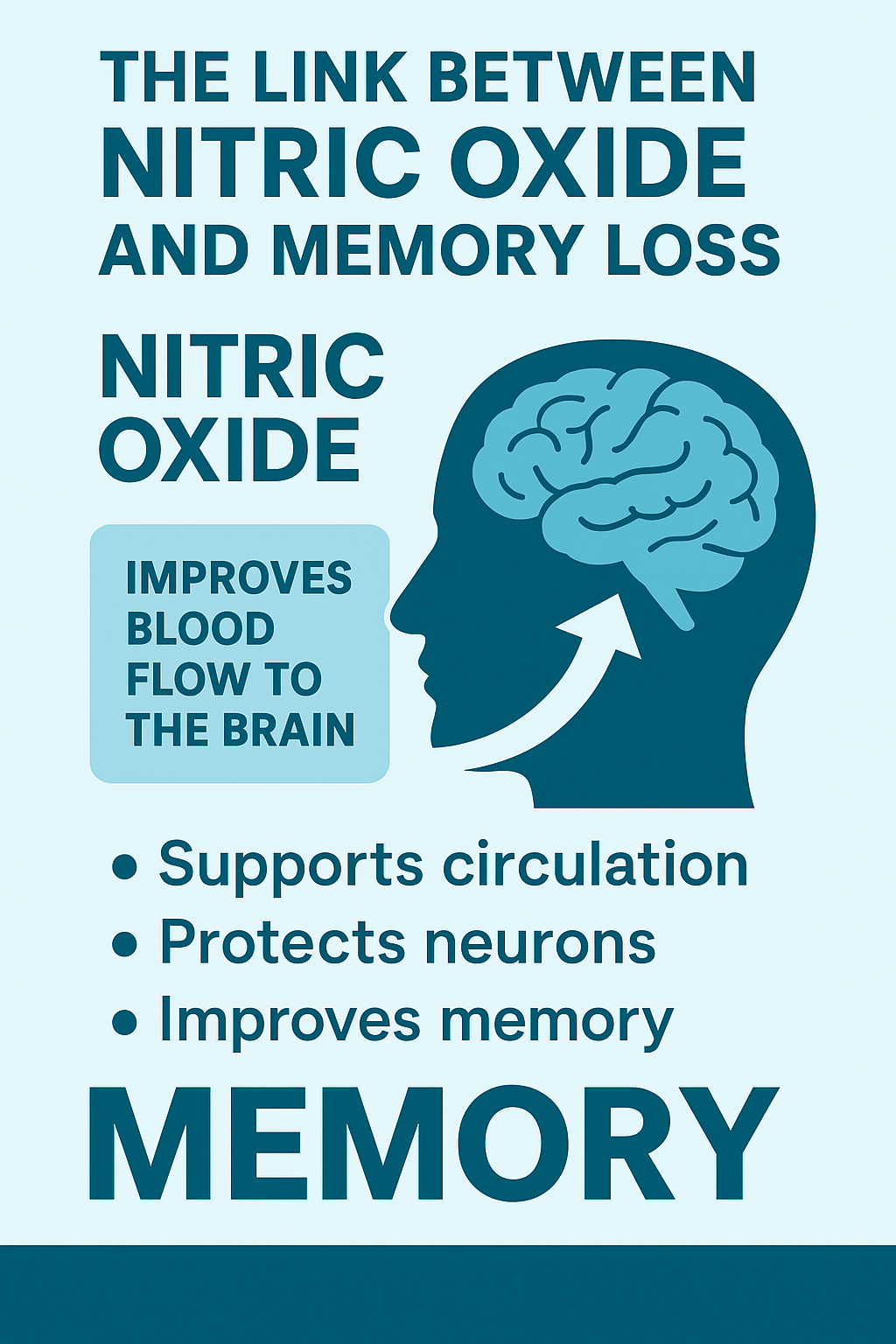
Nitric oxide affects memory and brain function. Nitric oxide (NO) plays a vital role in how the brain learns, remembers, and stays sharp with age. It acts as both a vascular regulator and a neurotransmitter, ensuring that oxygen and nutrients reach brain cells while also helping neurons communicate effectively. When nitric oxide levels decline — something that naturally happens with aging — blood flow to the brain decreases, communication between neurons weakens, and memory begins to fade. Supporting nitric oxide production helps keep the brain active, alert, and resilient.
Why Nitric Oxide Is Essential for Brain Health
The brain consumes about 20% of the body’s oxygen supply, even though it accounts for only about 2% of body weight. To meet this demand, it relies on nitric oxide to control blood flow and nutrient delivery.
Nitric oxide’s key brain functions include:
- Regulating cerebral blood flow – ensuring a steady oxygen and glucose supply to neurons.
- Facilitating neurotransmission – acting as a signaling molecule between nerve cells to enhance communication.
- Protecting neurons – reducing oxidative stress and inflammation that damage brain cells.
- Supporting memory and learning – helping form and retrieve memories efficiently.
The Science of Decline: Aging and Nitric Oxide Loss
As Dr. Nathan Bryan explains in The Secret of Nitric Oxide: Bringing the Science to Life, nitric oxide production declines about 10–12% per decade after age 30. By midlife, the body has often lost nearly half its nitric oxide–generating capacity.
The effects on brain health include:
- Reduced oxygen delivery → leading to slower thinking and brain fog.
- Weakened neuron communication → resulting in memory lapses.
- Increased oxidative stress → damaging brain tissue over time.
- Higher risk of neurodegenerative disease → including vascular dementia and Alzheimer’s.
This pattern reinforces what’s seen across the Nitric Oxide Knowledge Base: nitric oxide deficiency doesn’t just affect circulation — it’s an early marker of overall cognitive and vascular decline.
Nitric Oxide, Dementia, and Alzheimer’s Disease
Researchers have found that poor nitric oxide availability often precedes cognitive impairment. In both vascular dementia and Alzheimer’s disease, blood flow to critical brain regions is restricted. Without adequate nitric oxide, arteries stiffen and oxygen delivery falters, starving neurons of the resources they need to function.
NO’s protective effects include:
- Preventing arterial stiffness and plaque buildup.
- Regulating inflammation within the brain.
- Maintaining blood-brain barrier integrity.
- Supporting the growth of new neural connections.
- Improving insulin signaling and glucose uptake.
This makes nitric oxide one of the brain’s most powerful natural defense systems — a key to neuroprotection and long-term cognitive health.

Everyday Habits That Reduce Nitric Oxide (and Memory)
Certain daily choices can accelerate nitric oxide decline and harm brain function:
- Overuse of antiseptic mouthwash – kills oral bacteria that convert dietary nitrates into nitric oxide.
- Chronic antacid use – lowers stomach acid, blocking the conversion of nitrate to NO.
- Inactivity – limits blood vessel stimulation, reducing NO output.
- Consumption of sugar and carbohydrates – sugar sticks to enzymes that produce nitric oxide and causes oral dysbiosis leading to a chronic state of nitric oxide deficiency.
These habits create a “double hit”: less nitric oxide means weaker circulation and poorer brain function.
How to Boost Nitric Oxide for Sharper Memory
The good news: nitric oxide levels can be restored naturally. Simple, evidence-based changes improve both circulation and cognition:
- Eat high protein, good fat, low carbohydrate diet – Avoiding foods that cause a spike in glucose and insulin helps restore blood flow and insulin signaling.
- Exercise regularly – even brisk walking increases endothelial nitric oxide release.
- Avoid antiseptic mouthwash – allow beneficial oral bacteria to thrive.
- Maintain healthy stomach acid levels – avoid long-term antacid use.
- Use targeted nitric oxide supplementation – when lifestyle alone isn’t enough to restore NO balance.
These steps support consistent blood flow to the brain and help preserve memory, focus, and clarity.

Functional Nitric Oxide Nutrition and Brain Longevity
At N1o1, we view nitric oxide as the cornerstone of functional brain health. Supporting NO production means:
- Better circulation to the brain.
- Stronger communication between neurons.
- More efficient oxygen and glucose delivery.
- Reduced risk of neurodegenerative disease.
Nitric oxide connects vascular health and cognitive performance — two systems that age together and thrive together when NO is restored.
Final Thoughts
Memory loss is not an inevitable part of aging; it’s often a sign that nitric oxide production has declined. By restoring nitric oxide through diet, movement, and supplementation, you help the brain stay oxygenated, active, and sharp.
At N1o1, we believe in protecting brain health from the inside out. Supporting nitric oxide isn’t just about better blood flow — it’s about preserving memory, focus, and quality of life for years to come.
