
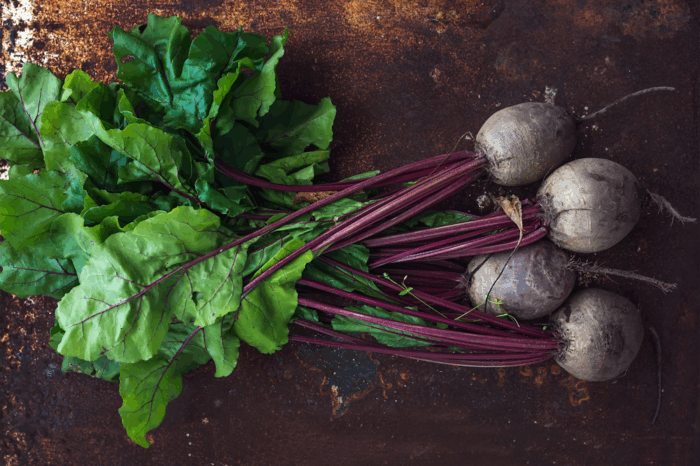
Nitric oxide (NO) is a vital signaling molecule that supports cardiovascular health, immune defense, brain function, and more. While your body can produce NO naturally, one major pathway depends on nutrients in your diet—especially nitrate-rich foods like leafy greens and beets.
Understanding how this process works can help you optimize your nitric oxide levels and, in turn, improve overall health. We focus on functional nitric oxide nutrition—using diet, lifestyle, and targeted supplementation to keep your NO production strong at every age.
The Nutrient Connection
NO itself cannot be delivered in food—it’s a gas that disappears within seconds of being made. Instead, your body relies on precursors found in certain foods, primarily nitrate and nitrite, to generate nitric oxide.
- Nitrate (NO₃⁻): Abundant in green leafy vegetables and beets.
- Nitrite (NO₂⁻): Found in smaller amounts in some vegetables and cured meats; also produced when nitrate is reduced by bacteria in your mouth.
These compounds enter a unique biological process called the enterosalivary circulation of nitrate, which allows your body to recycle and convert dietary nitrate into nitric oxide.
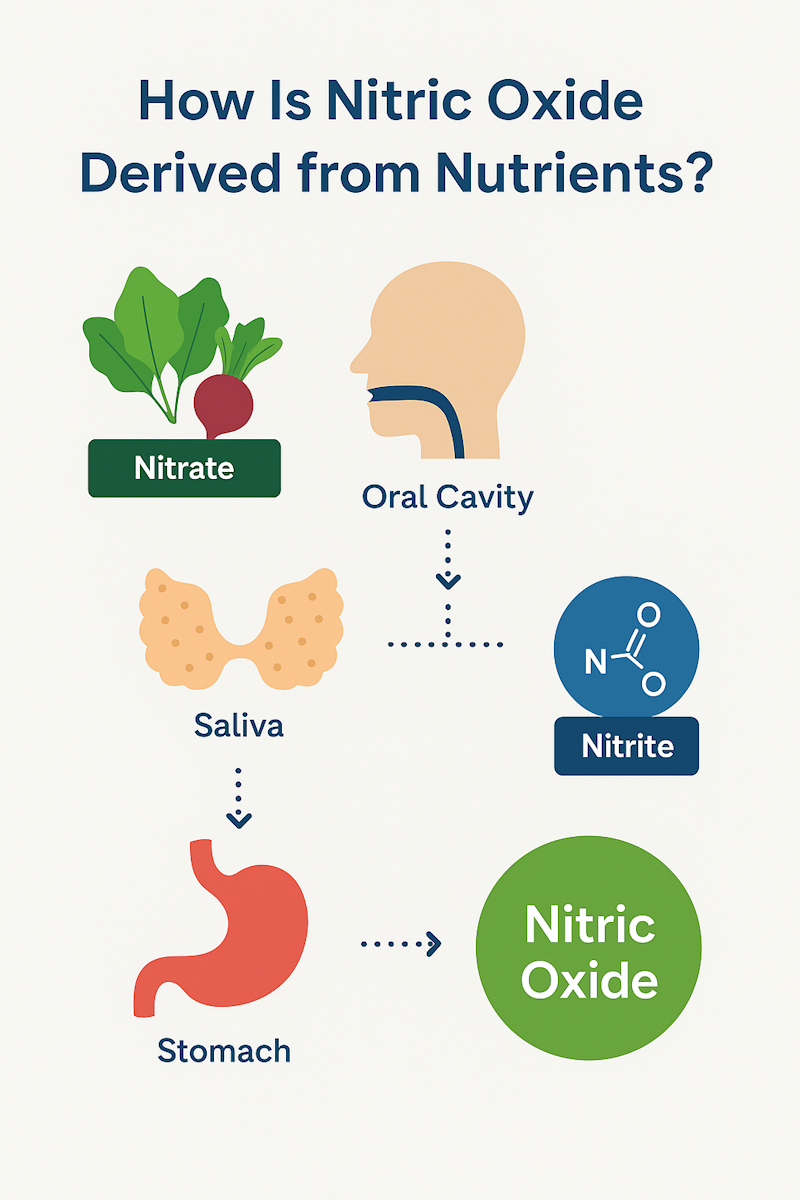
Step-by-Step: How Food Becomes Nitric Oxide
1. Eating Nitrate-Rich Foods
When you consume nitrate-rich foods—think spinach, arugula, romaine lettuce, celery, or beetroot—the nitrate is absorbed in your upper small intestine.
2. Transport to Salivary Glands
3. Oral Microbiome Conversion
This is where your mouth’s bacterial community—the oral microbiome—plays a critical role.
Certain bacteria, mainly living on the back of the tongue, convert nitrate into nitrite. Chewing food slowly helps deliver more nitrate to these bacteria.
Important: Antibacterial mouthwashes can destroy these beneficial bacteria, disrupting this pathway and lowering NO production.
4. Swallowing and Stomach Conversion
When you swallow, the nitrite-rich saliva enters the stomach. In the acidic environment, nitrite is chemically converted into nitric oxide gas.
This gastric NO not only supports blood vessel function but also helps kill harmful pathogens like E. coli, Listeria, and Helicobacter pylori.
5. Circulation and Benefits
From the stomach, nitric oxide and remaining nitrite enter the bloodstream, influencing circulation, oxygen delivery, and cellular health.

Why This Pathway Matters
This nutrient-based NO pathway is essential for:
- Blood Pressure Regulation: Dietary nitrate can help maintain healthy blood pressure.
- Post-Meal Protection: NO counters oxidative stress and inflammation triggered by eating.
- Digestive Health: NO in the stomach protects the gut lining and improves nutrient absorption.
- Immune Defense: Helps kill harmful microbes before they cause illness.
Disruptions to NO Production
Several common habits and conditions can impair nitrate-to-nitric-oxide conversion:
- Antibacterial Mouthwash: Kills nitrate-reducing bacteria.
- Proton Pump Inhibitors (PPIs): Reduce stomach acid, limiting nitrite-to-NO conversion.
- Low Vegetable Intake: Reduces nitrate supply.
- Poor Oral Health: Disrupts bacterial balance.
Boosting Your Nitric Oxide Through Diet
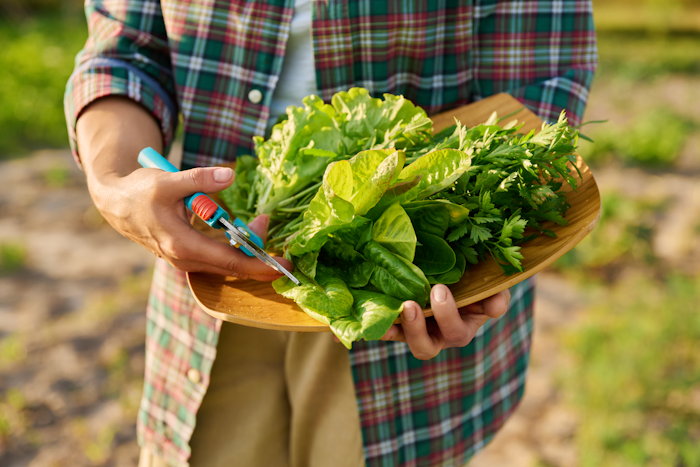
To support optimal nitric oxide production, aim for a diet rich in nitrate-containing vegetables and maintain a healthy oral microbiome.
Some of the best sources include:
- Arugula
- Spinach
- Romaine lettuce
- Beets
- Swiss chard
- Bok choy
- Celery
For additional support, we offer nitric oxide–generating supplements designed to bypass common pathway disruptions.
Key Takeaways
Your body can make nitric oxide from nutrients, especially dietary nitrate and nitrite.
The enterosalivary nitrate cycle—involving your mouth bacteria and stomach acid—is central to this process.
Daily vegetable intake and avoiding unnecessary antibacterial oral products can help sustain NO production.
Functional nitric oxide nutrition is a powerful strategy for cardiovascular, immune, and overall health.
We help you harness the science of nitric oxide nutrition to improve your health today and protect it for the future.
