

The Role of Nitric Oxide and Cancer Prevention: What You Should Know
Cancer remains one of the most complex and challenging health issues globally. As research evolves, scientists are increasingly focusing on preventive measures rather than just treatment. One molecule gaining attention for its potential to prevent cancer is nitric oxide (NO).
Nitric oxide is not only essential for regulating blood flow and immune function but also plays a key role in the prevention and suppression of cancerous growths. Nitric oxide and cancer prevention are increasingly linked in emerging research.
This article explores the fascinating relationship between nitric oxide and cancer, emphasizing its role in cancer prevention, how it operates at the cellular level, and ways to support its production.
How Nitric Oxide Impacts Tumor Growth and Development
Nitric oxide is essential for normal cellular function, but it can also exert powerful anti-cancer effects. The molecule affects several stages of tumor development, including tumor initiation, promotion, and progression. Here’s how nitric oxide helps in controlling these processes:
1. Inhibition of Tumor Cell Proliferation
One of the critical mechanisms by which nitric oxide can prevent cancer is by slowing down or inhibiting the proliferation of tumor cells. Studies have shown that nitric oxide has the ability to regulate the cell cycle, preventing the abnormal division and growth of cells that could lead to cancer. By modulating the behavior of certain signaling pathways in cells, nitric oxide helps prevent uncontrolled cell replication.
2. Promotion of Apoptosis (Programmed Cell Death)
Nitric oxide is also involved in apoptosis, the process through which damaged or abnormal cells self-destruct. Cancer cells often evade apoptosis, allowing them to survive and proliferate unchecked. By inducing apoptosis in cancerous cells, nitric oxide helps reduce the chances of these cells forming tumors.
3. Inhibition of Angiogenesis
Tumors require their own blood supply to grow beyond a certain size, a process known as angiogenesis. Nitric oxide plays a pivotal role in inhibiting angiogenesis by reducing the formation of new blood vessels that would otherwise supply tumors with the oxygen and nutrients they need to expand. By limiting blood vessel growth in tumors, nitric oxide effectively restricts the tumor’s growth potential.

Enhancing Immune Function: Nitric Oxide’s Role in Cancer Immunity
One of nitric oxide’s most important roles in preventing cancer is its effect on the immune system. Macrophages, a type of white blood cell, produce nitric oxide as a key defense mechanism against harmful invaders, including pathogens and tumor cells. Nitric oxide has several immune-modulatory properties:
1. Directly Killing Cancer Cells
Macrophages use nitric oxide to destroy cancer cells. NO has cytotoxic effects, meaning it can kill or damage cancer cells directly. It works by interfering with the metabolism of tumor cells, inducing oxidative damage that can lead to cell death. This boosts the immune system’s ability to fight off cancerous cells before they can proliferate and form tumors.
2. Regulating Immune Response
Nitric oxide also plays a significant role in regulating immune cell activity, ensuring the immune system effectively recognizes and destroys abnormal cells. It aids in maintaining a balanced immune response, enhancing the body’s ability to detect and destroy tumor cells while minimizing the risk of chronic inflammation or autoimmune diseases.
Reducing Inflammation and Oxidative Stress
Chronic inflammation and oxidative stress are closely linked to the development of various cancers. Tumor cells thrive in an environment of persistent inflammation, which aids their growth and spread. Nitric oxide has powerful anti-inflammatory and antioxidant effects that can counter these processes.
1. Anti-inflammatory Properties
Nitric oxide helps regulate the body’s inflammatory response by modulating immune cell activity. This helps prevent the kind of chronic inflammation often seen in cancer development. By inhibiting the activity of inflammatory cytokines and reducing oxidative damage, nitric oxide can lower the risk of cancer associated with prolonged inflammation.
2. Reduction of Oxidative Stress
Oxidative stress occurs when free radicals overwhelm the body’s antioxidant defenses, causing cellular damage. This damage can lead to DNA mutations, which increase the risk of cancer. Nitric oxide helps neutralize free radicals and minimize oxidative stress, protecting cells from the kind of DNA damage that can trigger cancer development.
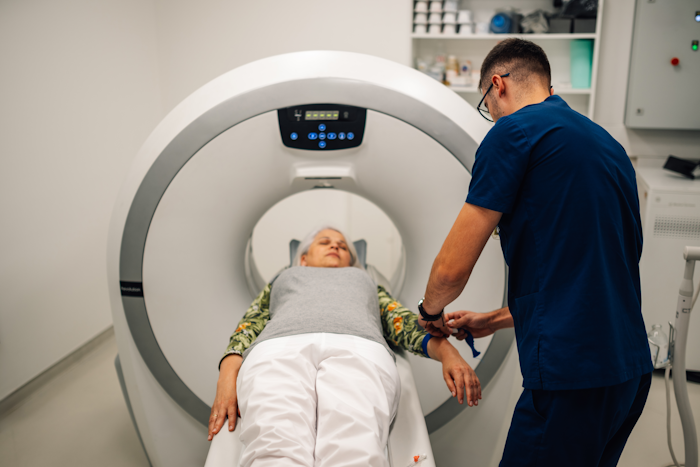
Nitric Oxide’s Role in Cancer Treatment Enhancement
Beyond its preventive effects, nitric oxide may also play a critical role in enhancing the effectiveness of existing cancer treatments. Nitric oxide can improve the delivery of chemotherapy drugs to tumors and mitigate some of the side effects associated with cancer therapies.
1. Improving Chemotherapy Delivery
Chemotherapy drugs work by targeting rapidly dividing cells, but they often struggle to reach tumor cells effectively. Nitric oxide’s ability to improve vascular function and blood flow can help increase the efficiency of chemotherapy treatments. By enhancing blood vessel dilation, nitric oxide helps ensure that chemotherapy drugs are delivered more effectively to the tumor site, increasing their effectiveness.
2. Reducing Treatment Side Effects
Chemotherapy and radiation therapy, while effective in treating cancer, can also damage healthy cells, leading to fatigue, organ damage, and immune suppression. Nitric oxide has been shown to help mitigate some of these side effects by improving circulation, reducing oxidative stress, and enhancing tissue repair mechanisms. It can support overall healing and improve patients’ quality of life during treatment.

How to Naturally Boost Nitric Oxide Levels
Given the significant role of nitric oxide in cancer prevention, it’s important to find ways to increase its levels naturally. Several lifestyle changes and dietary choices can help optimize nitric oxide production in the body.
1. Eat Nitrate-Rich Foods
Leafy greens, beets, celery, and arugula are rich in nitrates, which are converted to nitric oxide in the body. Regularly consuming these foods can help boost nitric oxide levels and support overall health.
2. Regular Exercise
Physical activity has been shown to stimulate the body’s production of nitric oxide. Exercise increases nitric oxide synthase (NOS) activity, which is responsible for producing nitric oxide. Aerobic exercise, such as walking, running, and cycling, is particularly effective in enhancing nitric oxide levels.
3. L-Arginine and L-Citrulline Supplements
L-arginine and L-citrulline are amino acids that serve as precursors to nitric oxide. Supplementing with these amino acids may help increase nitric oxide production, particularly in individuals with low nitric oxide levels.
4. Good Oral Health
The bacteria in your mouth play a crucial role in converting dietary nitrates into nitrites, which are then converted into nitric oxide in the body. Maintaining good oral hygiene by brushing and flossing regularly can help preserve these beneficial bacteria and ensure optimal nitric oxide production.
A Promising Frontier in Cancer Prevention
The role of nitric oxide in cancer prevention is gaining increasing attention from researchers and health professionals. From inhibiting tumor growth to enhancing immune function and reducing inflammation, nitric oxide offers a multifaceted approach to reducing cancer risk and supporting overall health. Its potential to improve cancer treatment efficacy and reduce side effects makes it a promising therapeutic adjunct in cancer care.
By adopting lifestyle changes, including consuming nitrate-rich foods, exercising regularly, and maintaining good oral health, individuals can naturally boost their nitric oxide levels, helping to prevent cancer and support long-term well-being.
As research in this area continues to evolve, nitric oxide may soon become an integral part of cancer prevention and treatment strategies, offering new hope for reducing the burden of cancer worldwide.
