
Nitric oxide (NO) is one of the most important molecules in the human body. It controls blood flow, immune responses, and even communication between cells. A healthy nitric oxide level supports heart health, brain function, and overall vitality.
As we age, our ability to produce nitric oxide declines. By age 40, we may have lost about 50% of our natural NO production. Luckily, there are proven ways to boost nitric oxide levels naturally through food, lifestyle, and supplements.
This article explains simple steps on how to increase nitric oxide and improve your health, including essential tips on How to Increase Nitric Oxide.
How to Increase Nitric Oxide: Essential Steps
1. Eat More Nitrate-Rich Vegetables
Certain vegetables are naturally high in nitrate, which your body converts into nitric oxide.
Focus on eating these foods very often:
- Spinach
- Arugula
- Beets
- Kale
- Swiss chard
- Cabbage
Aim for at least 300 to 400 mg of dietary nitrate per serving. Fresh, conventionally grown vegetables usually contain more nitrate than organic, due to higher soil nitrogen levels.
2. Stop Using Antiseptic Mouthwash
Your body relies on friendly bacteria in your mouth to convert nitrate from food into nitrite, a building block for nitric oxide.
Antiseptic mouthwash kills these beneficial bacteria. Studies show that using mouthwash for just one week can raise blood pressure by preventing nitric oxide formation.
If you want to maintain or boost nitric oxide, avoid daily use of antibacterial mouthwashes.

3. Support Your Stomach Acid Production
Stomach acid plays a key role in converting nitrite into nitric oxide. A healthy stomach environment helps release NO from the foods you eat.
Proton pump inhibitors (PPIs) and other antacids suppress stomach acid. Long-term use of these drugs can lower nitric oxide levels and increase the risk of heart problems.
Support stomach acid by:
-
- Avoiding unnecessary antacid use
- Taking 1 teaspoon of apple cider vinegar before meals
- Eating slowly and chewing food thoroughly.
4. Engage in Regular Physical Exercise
Exercise stimulates nitric oxide production directly within your blood vessels. Even moderate exercise, such as brisk walking for 20 minutes, three to five times per week, can improve nitric oxide availability.
Exercise also improves the health of the endothelial cells, the inner lining of your blood vessels that produce nitric oxide.
5. Use Targeted Nitric Oxide Supplements
If diet and lifestyle changes are not enough, certain supplements, like nitric oxide booters from N1o1 can help increase nitric oxide safely.
Look for supplements that:
- Contain natural nitrite and nitrate
- Have been tested in clinical trials
- Include antioxidants like vitamin C to stabilize nitric oxide.

6. Foster a Healthy Oral Microbiome
Since oral bacteria are critical for nitric oxide production, it’s important to:
- Practice good oral hygiene without antiseptics
- Eat a diet rich in nitrate
- Avoid unnecessary antibiotics
By encouraging healthy bacteria, you create a natural system that boosts nitric oxide every time you eat nitrate-rich foods.
7. Test Your Nitric Oxide Levels
You can now measure your nitric oxide levels at home using saliva test strips. These strips react with nitrite in your saliva and change color.
- Dark pink/red = good nitric oxide levels
- Light pink or no color = low nitric oxide levels
Testing gives you real-time feedback on whether your diet and habits are working.
Why Increasing Nitric Oxide Matters
Low nitric oxide is linked to many chronic diseases, including:
By restoring nitric oxide production, you can improve blood flow, nutrient delivery, and cellular function throughout your body.

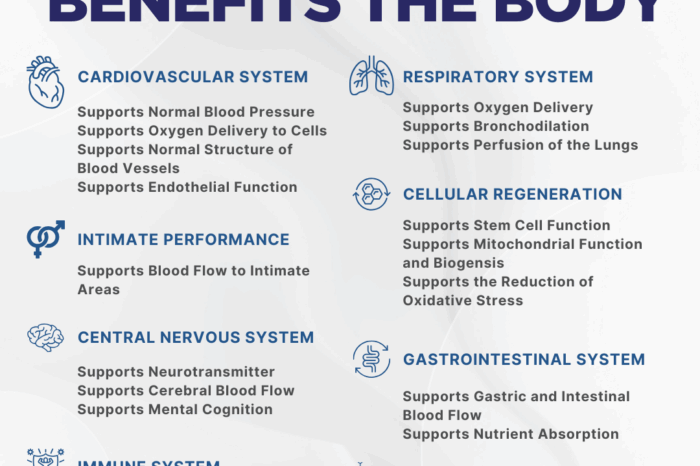
Benefits of Higher Nitric Oxide Levels
- Lower blood pressure
- Better exercise performance
- Improved sexual function
- Enhanced brain health
- Stronger immune response
Final Tips for Boosting Nitric Oxide
Here is a quick checklist to naturally boost your nitric oxide levels:
- Eat a large daily salad with spinach, arugula, or beets
- Skip mouthwash and chew your food well
- Support your stomach acid with apple cider vinegar
- Exercise regularly
- Consider trusted nitric oxide supplements if needed
- Test your saliva nitrite levels
Nitric oxide is essential for feeling young, energetic, and strong. By following these simple steps, you can help your body produce more of this vital molecule and protect your long-term health.
