
Rethinking the Role of Circulation in Hair Health
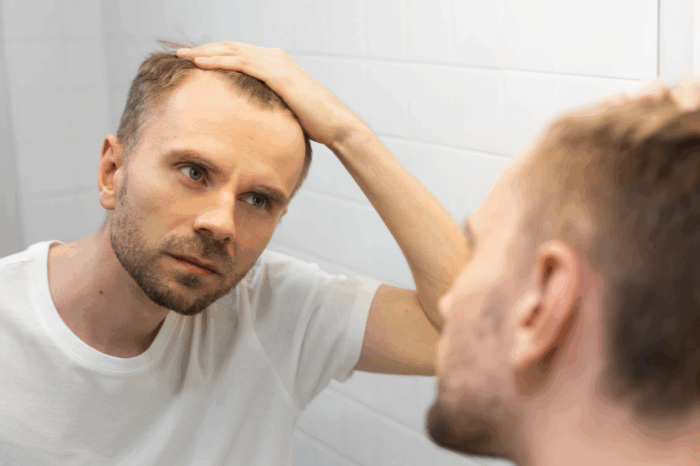
Does nitric oxide help with hair loss? Nitric oxide can help with hair loss. Hair loss is more than just a cosmetic issue, it can reflect deeper systemic imbalances, including poor circulation, inflammation, and nutrient deficiencies. Nitric oxide (NO), known primarily for its cardiovascular benefits, is increasingly recognized for its indirect but significant role in hair health. While not a direct treatment for baldness, improving nitric oxide levels may provide foundational support for healthier hair and scalp function.
What is Nitric Oxide and Why It Matters
Nitric oxide is a naturally occurring molecule produced by the body that acts as a signaling messenger and vasodilator. It is responsible for relaxing the inner muscles of blood vessels, increasing circulation and nutrient delivery. Nitric oxide also plays a role in immune regulation and cellular health, all of which impact the condition of the scalp and follicles.
The Nitric Oxide-Hair Growth Connection
1. Scalp Microcirculation: Fuel for Hair Follicles
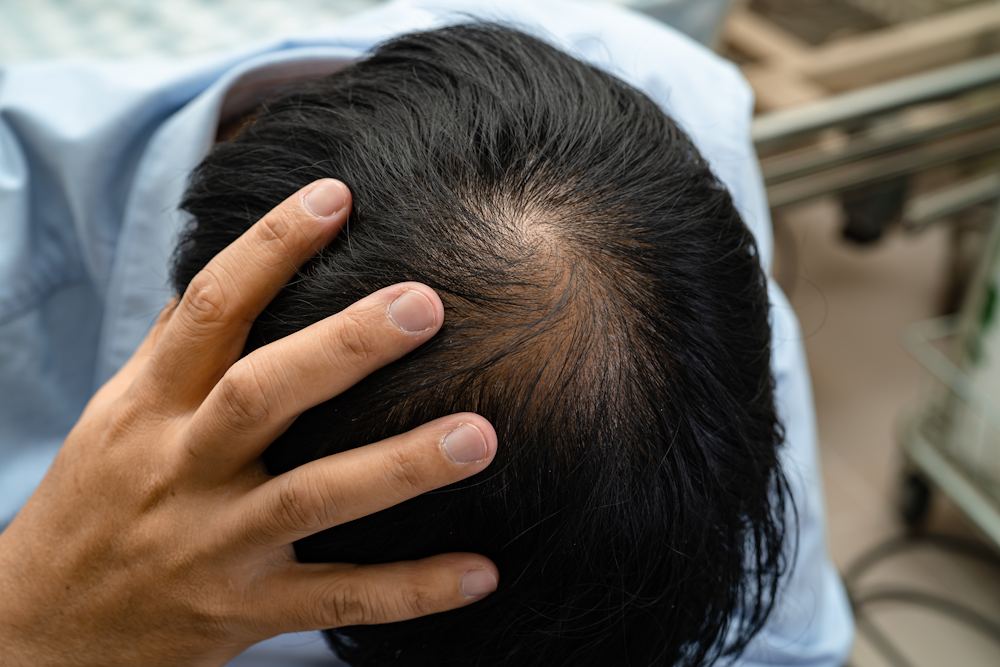
Hair follicles are highly sensitive to blood supply. Reduced circulation to the scalp, often due to aging, inflammation, or endothelial dysfunction, compromises follicle health. Nitric oxide boosts capillary dilation, enhancing microvascular blood flow and ensuring follicles receive adequate oxygen and nutrients, which are essential for hair growth.
2. Follicle Inflammation and Immune Modulation
Conditions such as alopecia areata are linked to immune dysregulation and inflammation of the follicle base. Nitric oxide possesses anti-inflammatory properties and may reduce localized immune aggression. By modulating the activity of macrophages and other immune cells, NO helps create a less hostile environment around hair roots.
3. Nutrient Delivery and Detoxification
NO aids in the efficient transport of nutrients like zinc, iron, and amino acids to the scalp. These nutrients are vital for keratin synthesis, hair shaft strength, and follicle regeneration. Simultaneously, improved circulation promotes the removal of metabolic waste that may otherwise interfere with follicular function.
Supportive Evidence from the Books
In The Secret of Nitric Oxide, Dr. Nathan S Bryan shows how the importance of endothelial health is repeatedly highlighted as central to systemic wellness. The same mechanisms that support heart and brain health, enhanced circulation, reduced oxidative stress, and immune regulation, are applicable to scalp health and hair growth, especially in aging individuals where NO levels decline naturally.
How to Naturally Boost Nitric Oxide for Hair Health
Foods like arugula, spinach, beetroot, and lettuce provide the raw materials for nitric oxide production through the nitrate-nitrite-NO pathway.
2. Polyphenol-Rich Foods
Pomegranate, berries, and green tea contain antioxidants that help protect and prolong nitric oxide activity.
3. Daily Physical Activity
Exercise stimulates nitric oxide synthase, promoting higher NO output and improved circulation, both systemically and in the scalp.
Healthy bacteria in the mouth and gut play a key role in converting dietary nitrates into nitric oxide. Avoiding antiseptic mouthwash and supporting gut flora with fermented foods can enhance this process. Switching to CardioSmile toothpaste can help.
5. Daily Supplements
Taking trusted and high quality nitric oxide supplements have been shown to support cardiovascular health, boost energy levels, and enhance overall vitality. Products like N1o1 that produce nitric oxide gas are extremely beneficial. If your body has lost the ability to naturally produce nitric oxide, N1o1 Lozenges provide it for you.
Lifestyle Factors That Interfere with NO and Hair Growth
- Smoking and high alcohol intake impair NO production and damage blood vessels.
- Chronic stress elevates cortisol, which indirectly reduces NO availability and increases inflammation.
- Sedentary behavior limits blood flow and oxygen delivery to peripheral tissues, including the scalp.
Should You Use Nitric Oxide for Hair Loss Treatment?
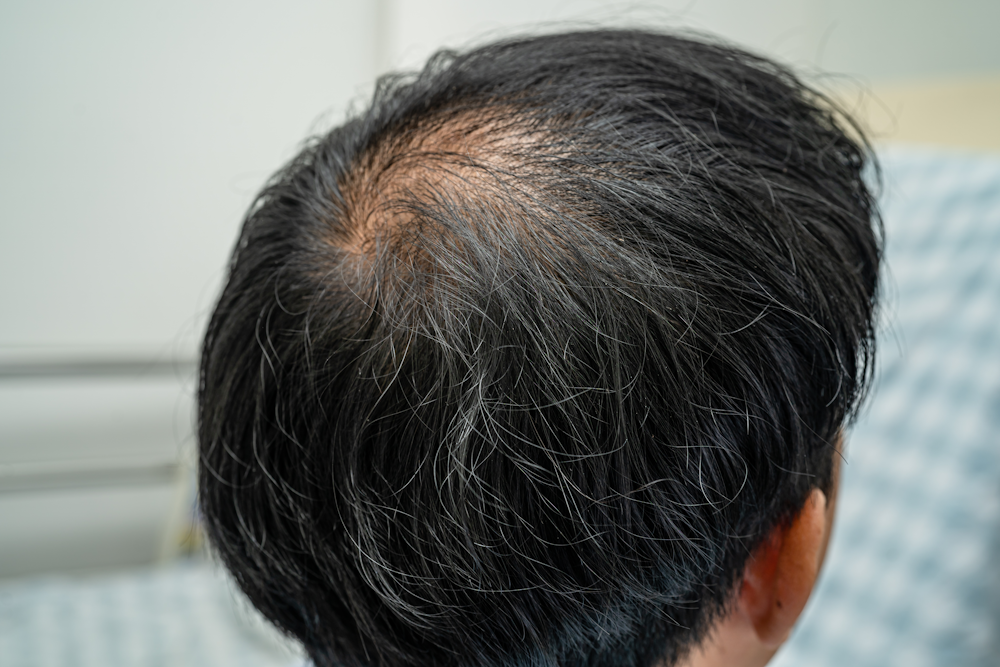
While the books do not promote nitric oxide as a standalone cure for hair loss, they emphasize its supportive role in optimizing vascular health and cellular function. Many forms of hair thinning are aggravated by poor circulation, inflammation, and nutrient deficits, conditions where nitric oxide can play a corrective role.
Conclusion: Nitric Oxide as a Foundational Tool for Hair Wellness
Nitric oxide may not regrow hair on its own, but it sets the stage for a healthy scalp environment where hair can thrive. By naturally enhancing blood flow, reducing inflammation, and supporting cellular nutrition, nitric oxide becomes an important ally in the multifactorial approach to hair loss prevention and scalp vitality.
