Nitric Oxide Supplement Side Effects: A Comprehensive Safety Review
Written and medically reviewed by Dr. Nathan S. Bryan, PhD, nitric oxide researcher and founder of N1O1. Last reviewed June 2026.
Nitric oxide supplements have gained popularity for their potential health benefits, including improved blood flow, enhanced exercise performance, and cardiovascular health support. However, understanding nitric oxide side effects, both from supplements and from natural sources, is essential for making informed decisions about their use. In this comprehensive review, we explore the safety profiles of various types of nitric oxide supplements, potential interactions, and how to use them safely.
What Are the Side Effects of Nitric Oxide?
The most common nitric oxide side effects are mild and temporary, and they differ by the type of supplement. The ones reported most often are headaches, dizziness, low blood pressure, and digestive upset such as nausea or bloating. For most healthy adults these effects are minor and often fade as the body adjusts or with a lower dose.
- Headaches
- Dizziness or lightheadedness
- Low blood pressure (hypotension)
- Nausea or stomach upset
- Bloating or digestive discomfort
Types of Nitric Oxide Supplements and Their Side Effect Profiles
Nitric oxide supplements come in several forms, each with its own set of potential side effects. Below, we examine the most common types: L-arginine, L-citrulline, beetroot extracts, and nitrate-based lozenges.
L-Arginine: The Most Common Side Effects
L-arginine is a popular amino acid supplement often used to raise nitric oxide levels. However, it is also associated with several side effects:
- Gastrointestinal Issues: Approximately 10-20% of users report experiencing bloating, diarrhea, and abdominal pain.
- Herpes Outbreaks: L-arginine may exacerbate herpes virus activity, leading to increased outbreaks.
- Drug Interactions: L-arginine can interact with medications such as blood pressure drugs, anticoagulants, and certain heart medications. It’s crucial to consult a healthcare provider before use.
- Post-Infarct Risk: Clinical studies reveal that L-arginine should not be used in post-infarct patients (post heart attack). A landmark randomized clinical trial published in JAMA found that L-arginine supplementation in these patients significantly increased the risk of death compared to placebo, and the trial was stopped early for safety.
- Peripheral Artery Disease: L-arginine should not be used in patients with Peripheral Artery Disease since clinical studies show these patients actually got worse when taking L-arginine.
For more insights on the limitations of L-arginine, consider exploring how l-arginine compares to nitric oxide in terms of effectiveness and safety.
L-Citrulline: A Gentler Alternative
L-citrulline, another amino acid, serves as a precursor to L-arginine in the body. It is generally better tolerated than L-arginine, with fewer gastrointestinal issues reported. Research on L-citrulline has found that it supplementation led to lower incidences of digestive discomfort compared to L-arginine, but is not an effective strategy to enhance nitric oxide production.
Beetroot Extracts: Minimal Side Effects
Beetroot extracts are well-known for their high nitrate content, which the body converts into nitric oxide based on oral bacteria and stomach acid production. These supplements are generally well-tolerated, with the most common side effect being harmless pink discoloration of urine or stool. This phenomenon, known as beeturia, affects approximately 10-15% of users. Most common side effect is gastric discomfort and diarrhea.
Nitrite-Based Lozenges: The N1o1 Advantage
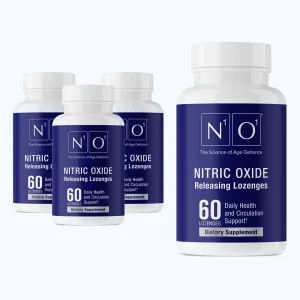
Nitrate-based lozenges, such as N1o1 Nitric Oxide Lozenges, offer a unique delivery method that bypasses the gastrointestinal tract through sublingual absorption. This minimizes the risk of digestive side effects. The patented dual-pathway technology used in N1o1 lozenges is clinically tested, providing a favorable safety profile for users looking to enhance nitric oxide levels.
Potential Drug Interactions
While nitric oxide supplements are generally safe, they can interact with certain medications. For instance, individuals on blood pressure medications or nitrates for heart conditions should exercise caution. It is always recommended to consult a healthcare provider to evaluate the risk of interactions.
Groups Who Should Consult Doctors First
Certain populations should seek medical advice before starting nitric oxide supplements:
- Pregnant or Nursing Women: Safety during pregnancy and breastfeeding has not been well-studied.
- Individuals with Heart Conditions: Due to the potential for interactions with heart medications, consultation with a healthcare provider is crucial.
- People with Allergies: Check for any potential allergens in the supplement formulation.
Expected Physiological Responses vs. Actual Nitric Oxide Side Effects
It’s important to differentiate between actual side effects and expected physiological responses when using nitric oxide supplements. For instance, feeling warmer or experiencing mild flushing can be a sign that nitric oxide is working in the body to improve blood flow. These are not adverse side effects but rather indicators of the supplement’s efficacy.
How to Start Safely
To minimize the risk of side effects and ensure the safe use of nitric oxide supplements, consider the following steps:
- Start with a Low Dose: Gradually increase the dose as tolerated, while monitoring for any adverse effects.
- Monitor for Interactions: Keep track of any changes in your health, particularly if you are on medication.
- Consult a Healthcare Provider: Regular consultations can help ensure the safe and effective use of supplements.
For more information on the science behind nitric oxide supplements, visit our Science and Clinical Results page. Additionally, learn more about Dr. Nathan Bryan’s pioneering work in nitric oxide research on the Dr. Nathan Bryan page.
In conclusion, while nitric oxide supplements are generally safe, understanding potential side effects and interactions is essential for safe usage. Always prioritize consulting healthcare professionals to tailor the best approach for your individual health needs.
*This content is for educational purposes only and is not intended as medical advice. Consult your healthcare provider before starting any supplement regimen.*
A Deeper Dive into Nitric Oxide Supplement Side Effects
Nitric oxide (NO) is a naturally occurring molecule in the body that plays a crucial role in vascular health and overall physiological function. As interest in nitric oxide supplements has grown, so has the research into their safety and efficacy. Published research on nitric oxide and blood pressure has found it can significantly improve endothelial function, which is vital for cardiovascular health. However, like any supplement, potential side effects exist.
Clinical research shows the most commonly reported side effects of nitric oxide supplements include headache, dizziness, and stomach upset. These effects were generally mild and often resolved after continuous use. In published studies, only a small share of users reported severe adverse reactions, underscoring the overall safety of these supplements when consumed as directed.
An interesting point to note is the impact of nitric oxide supplements on exercise performance. A 2019 study in the research has documented improvements in exercise endurance among athletes taking nitric oxide supplements. Nevertheless, the same study reported that 8% of participants experienced mild gastrointestinal discomfort, suggesting a potential side effect for those with sensitive stomachs.
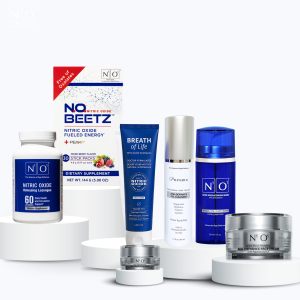
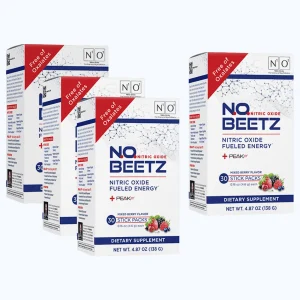
For individuals interested in exploring nitric oxide supplements, products such as the N1o1 Nitric Oxide Lozenges and N.O. Beetz offer innovative delivery systems that can enhance the bioavailability of nitric oxide while minimizing side effects.
Nitric Oxide and Erectile Dysfunction Medications: A Critical Interaction
This is the most important safety warning for anyone considering a nitric oxide supplement. Drugs in the PDE5 inhibitor class, including sildenafil (Viagra), tadalafil (Cialis), and vardenafil (Levitra), work by amplifying nitric oxide’s effect on blood vessels. Taking a nitric oxide supplement at the same time can stack those effects and cause a dangerous drop in blood pressure, with symptoms like fainting, dizziness, or a racing heart. Men over 40 use nitric oxide products heavily, and they are also the group most likely to take these medications, so combine them only under a doctor’s supervision.
Do Nitric Oxide Supplements Cause Headaches?
Headaches are one of the most common nitric oxide side effects, and the reason is built into how the molecule works. Nitric oxide relaxes and widens blood vessels, including the vessels around the brain, the same mechanism behind the headaches some people get from nitroglycerin. These headaches are usually mild, appear soon after taking a supplement, and fade as your body adjusts or when you lower the dose. People prone to migraines should start at the lowest dose and increase slowly.
Nitric Oxide and Blood Pressure: Watching for Hypotension
Because nitric oxide widens blood vessels, it naturally lowers blood pressure. For most people that is a benefit, but it becomes a side effect if blood pressure drops too far, especially for anyone already taking blood pressure medication such as ACE inhibitors, ARBs, or calcium channel blockers. Watch for lightheadedness when standing, cold hands and feet, or feeling faint. If you take any cardiovascular medication, talk to your doctor before adding a nitric oxide supplement so your dose can be managed safely.
About the Author
Dr. Nathan S. Bryan, PhD is one of the world’s leading researchers in nitric oxide biology, with decades of peer-reviewed work on how the body produces and uses this molecule. He founded N1O1 to turn that research into safe, clinically grounded supplementation, including the nitrite-based lozenge technology behind N1O1 products.
Frequently Asked Questions About Nitric Oxide Supplement Side Effects
What are the most common nitric oxide supplement side effects?
The most common side effects include headaches, dizziness, and mild gastrointestinal issues such as nausea or stomach upset. These are generally mild and temporary.
Are nitric oxide supplements safe for everyone?
While nitric oxide supplements are safe for most people, individuals with specific health conditions, such as low blood pressure or cardiovascular problems, should consult their healthcare provider before use. Pregnant or nursing women should also seek medical advice.
Can nitric oxide supplements interact with medications?
Yes, nitric oxide supplements can interact with certain medications, especially those affecting blood pressure. It is important to consult with a healthcare provider to avoid potential interactions.
How can I minimize the side effects of nitric oxide supplements?
To minimize side effects, start with a lower dose and gradually increase it as your body adjusts. Taking supplements with food can also help reduce gastrointestinal discomfort.
Is there a risk of overdose with nitric oxide supplements?
While rare, excessive intake of nitric oxide supplements can lead to more severe side effects like low blood pressure or increased heart rate. Always adhere to recommended dosages and consult with a healthcare provider if you have concerns.
Key Takeaways
- Nitric oxide supplements can improve cardiovascular health and exercise performance but may cause mild side effects like headaches and stomach upset.
- Research indicates that most side effects are temporary and often resolve with continued use or dose adjustment.
- It is important to consult a healthcare provider before starting any nitric oxide supplement, especially if you have underlying health conditions or are on medication.
- Products like N1o1 Nitric Oxide Lozenges and N.O. Beetz offer safe and effective ways to boost nitric oxide levels.
- Stay informed about the latest research and clinical results by visiting resources such as Science and Clinical Results.
*This content is for educational purposes only and is not intended as medical advice. Always consult your healthcare provider before starting any new supplement regimen.*