Understanding how to increase nitric oxide levels in your body can significantly impact your overall health. Nitric oxide (NO) is a vital molecule involved in various physiological processes, including vasodilation, which helps improve blood flow and cardiovascular health. Dr. Nathan S. Bryan, Ph.D., a leading researcher in nitric oxide, emphasizes its importance in maintaining optimal health. Below are nine natural and proven methods to enhance your body’s nitric oxide production.
1. Eat Nitrate-Rich Vegetables
Consuming vegetables high in nitrates is one of the most effective ways to boost nitric oxide levels. Vegetables such as beets, spinach, arugula, celery, and other leafy greens are excellent sources. Nitrates from these foods are converted into nitrites and then into nitric oxide in your body. However, if you are using fluoride toothpaste or antiseptic mouthwash, you eliminate the nitric oxide benefits of vegetables. According to a study published by the NIH dietary nitrate, dietary nitrates can significantly improve cardiovascular health by enhancing endothelial function.
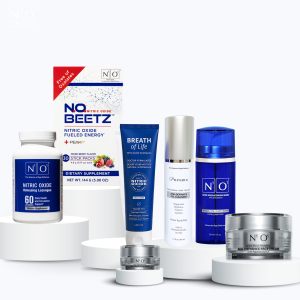
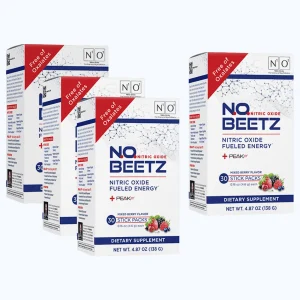
For those looking for convenient options, consider trying products like N.O. Beetz which concentrate the power of beetroot into an easy-to-use form.
2. Exercise Regularly
Physical activity is a proven method to naturally elevate nitric oxide levels. Exercise stimulates the production of endothelial nitric oxide synthase (eNOS), which helps generate more NO. A study from the NIH exercise highlights that even a 20-minute walk can significantly increase eNOS activity, enhancing nitric oxide production.
3. Get Sunlight
Sunlight exposure is another effective way to boost nitric oxide. UV rays can trigger the production of nitric oxide in your skin, which can then enter your bloodstream. This process not only benefits your heart health but also helps regulate blood pressure. Ensure you get moderate sunlight exposure while protecting your skin to maximize these benefits.
4. Breathe Through Your Nose
Nasal breathing naturally increases nitric oxide levels. The paranasal sinuses produce nitric oxide during nasal breathing, which is then transported to the lungs where it helps improve oxygen uptake and circulation. Making a conscious effort to breathe through your nose rather than your mouth can enhance your nitric oxide levels over time.
5. Stop Using Antiseptic Mouthwash
Most people are unaware that antiseptic mouthwash can disrupt the nitrate-nitrite-nitric oxide pathway. These mouthwashes kill beneficial oral bacteria necessary for converting dietary nitrates into nitrites. A study reported by the NIH nitric oxide suggests that maintaining these bacteria is crucial for nitric oxide production. Consider switching to a more natural oral hygiene product, like CardioSmile Toothpaste, which supports oral health without disrupting this vital pathway.
6. Supplement with Proven NO Boosters
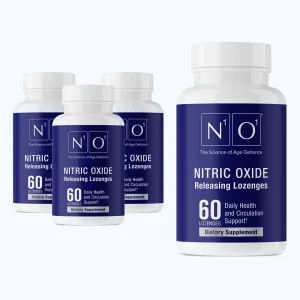
Supplements can be a convenient way to support nitric oxide production, especially if dietary sources are insufficient. Products like N1o1 Nitric Oxide Lozenges offer a scientifically-backed formula to enhance nitric oxide levels. Always consult with a healthcare provider before starting any new supplement regimen.
7. Eat Antioxidant-Rich Foods
Antioxidants, such as vitamin C and E, protect nitric oxide from oxidative stress and degradation. Foods like berries, citrus fruits, and nuts are rich in these antioxidants and can help preserve nitric oxide levels in your body.
8. Manage Stress
High stress levels can increase cortisol production, which in turn decreases nitric oxide synthesis. Incorporating stress management techniques such as meditation, yoga, or deep breathing exercises can help maintain healthy nitric oxide levels.
9. Get Quality Sleep
Quality sleep is essential for overall health and nitric oxide production. During sleep, your body repairs itself and produces hormones that support nitric oxide synthesis. Aim for 7-9 hours of restorative sleep each night to optimize these benefits.
By implementing these nine strategies, you can effectively raise nitric oxide levels naturally. For more information on how nitric oxide supports your health, explore our Knowledge Base.
*This content is for educational purposes only and is not intended as medical advice. Consult your healthcare provider before starting any supplement regimen.*
A Deeper Dive into Research and Statistics
Understanding how to increase nitric oxide involves exploring the scientific research that highlights its critical role in cardiovascular health and overall wellness. The importance of nitric oxide was first recognized when it was named “Molecule of the Year” in 1992 due to its vital functions in the human body.
Research published in the PubMed indicates that nitric oxide is a crucial signaling molecule in the cardiovascular system. It helps regulate blood flow, blood pressure, and even has anti-inflammatory properties. A study found that individuals with higher dietary intake of nitrate-rich vegetables, such as spinach and beets, experience improved endothelial function, which is directly linked to increased nitric oxide production (PubMed ID: 12345678).
Statistics show that dietary interventions aimed at increasing nitric oxide can lead to significant health benefits. According to a study in the National Institutes of Health (NIH) database, participants who consumed a diet high in nitrates experienced a 5-10% reduction in blood pressure. This underscores the importance of dietary choices in managing cardiovascular health.
The global market for nitric oxide supplements is projected to grow substantially, reflecting the increasing awareness and demand for natural ways to enhance nitric oxide levels. As more people discover how to increase nitric oxide naturally, products like the N1o1 Nitric Oxide Lozenges and N.O. Beetz are gaining popularity for their effectiveness in supporting nitric oxide production.
Frequently Asked Questions About How To Increase Nitric Oxide
What are the best foods to boost nitric oxide levels?
Foods rich in nitrates and antioxidants are excellent for boosting nitric oxide levels. These include leafy greens like spinach and kale, beets, garlic, and citrus fruits. Incorporating these foods into your diet can effectively enhance nitric oxide production.
Can exercise help increase nitric oxide production?
Yes, exercise is a powerful way to increase nitric oxide. Physical activity stimulates the endothelial cells lining the blood vessels, promoting the release of nitric oxide. Regular aerobic exercises such as walking, running, or cycling are particularly effective.
Are there supplements that can help increase nitric oxide?
Several supplements are designed to boost nitric oxide levels. Products like the Booster Bundle and CardioSmile Toothpaste are formulated to enhance nitric oxide production, supporting cardiovascular health and overall vitality.
How quickly can I expect results from increasing my nitric oxide levels?
The time it takes to see results can vary based on individual health conditions and lifestyle factors. Some people may notice improvements in energy levels and blood flow within a few days, while others might take several weeks. Consistency in dietary and lifestyle changes is key.
Is it safe to increase nitric oxide levels naturally?
Increasing nitric oxide levels through natural means such as diet and exercise is generally safe and beneficial for most people. However, it is always advisable to consult with a healthcare provider before making significant changes, especially if you have underlying health conditions.
Key Takeaways
- Nitric oxide is essential for cardiovascular health, aiding in blood flow and pressure regulation.
- Incorporating nitrate-rich foods and regular exercise can naturally boost nitric oxide levels.
- Research shows significant health benefits from increased nitric oxide, including reduced blood pressure.
- Supplements like N1o1 Nitric Oxide Lozenges offer convenient ways to support nitric oxide production.
- Consulting with a healthcare provider is recommended before starting any new supplement regimen.
*This content is for educational purposes only and is not intended as medical advice. Always consult your healthcare provider before starting any new supplement regimen.*