Low Nitric Oxide Symptoms: Recognizing the Warning Signs
Nitric oxide (NO) plays a crucial role in maintaining overall health, influencing various physiological processes. When nitric oxide levels drop, it can lead to several health issues manifesting as different symptoms. Understanding low nitric oxide symptoms can help you identify potential deficiencies early and take steps to address them. In this article, we’ll explore ten warning signs your body might not be producing enough nitric oxide.
1. High Blood Pressure
One of the most common low nitric oxide symptoms is high blood pressure. Nitric oxide is a vasodilator, meaning it helps relax and widen blood vessels, facilitating smoother blood flow. When NO levels are insufficient, blood vessels may constrict, leading to increased blood pressure. Research has shown that reduced nitric oxide availability is directly associated with hypertension (NIH).
2. Erectile Dysfunction
Erectile dysfunction (ED) can be another indication of low nitric oxide levels. Nitric oxide is essential for achieving and maintaining an erection as it enhances blood flow to the penile tissue. Studies suggest that supplementing with nitric oxide can improve ED symptoms (nitric oxide ed).
3. Chronic Fatigue and Low Energy
If you constantly feel fatigued or lack energy, it might be due to low nitric oxide levels. Nitric oxide contributes to mitochondrial function, which is responsible for energy production in cells. Without adequate NO, your energy levels may diminish, leading to chronic fatigue.
4. Cold Hands and Feet
Experiencing cold hands and feet is often a result of poor circulation, a potential symptom of low nitric oxide. As a vasodilator, nitric oxide helps improve blood flow. When you’re deficient, blood circulation may be compromised, causing extremities to feel cold (nitric oxide circulation).
5. Slow Wound Healing
Nitric oxide is vital for wound healing as it promotes blood flow and aids in tissue repair. A deficiency can result in prolonged healing times for cuts and injuries. Ensuring adequate nitric oxide levels can help speed up the healing process and prevent complications.
6. Memory Fog and Cognitive Decline
Low nitric oxide levels can lead to memory fog and cognitive decline. Nitric oxide is involved in neurotransmission and cerebral blood flow, which are critical for brain function. Studies suggest that enhancing nitric oxide production can improve cognitive performance (nitric oxide cognitive function).
7. Frequent Infections
Nitric oxide plays a role in immune system function. Low levels can weaken your body’s ability to fight infections, leading to more frequent illnesses. Ensuring optimal nitric oxide production can help bolster your immune defense.
8. Exercise Intolerance
If you find it difficult to engage in physical activity or experience excessive fatigue during exercise, low nitric oxide might be to blame. Nitric oxide improves oxygen delivery to muscles, enhancing endurance and performance. Supplementing with nitric oxide can support better exercise tolerance.
9. Premature Skin Aging
Nitric oxide helps maintain skin health by promoting blood flow and collagen production. A deficiency may contribute to premature skin aging, manifesting as wrinkles and loss of elasticity. Supporting nitric oxide levels can improve skin health and appearance.
10. Anxiety and Mood Changes
Changes in mood and increased anxiety can also be linked to low nitric oxide levels. NO influences neurotransmitter regulation and cerebral blood flow, both of which affect mood stability. Maintaining healthy nitric oxide levels may support mental well-being.
Why Symptoms Overlap
Nitric oxide affects every organ system, which is why symptoms of low levels often overlap. From cardiovascular health to cognitive function, nitric oxide plays a multifaceted role in maintaining equilibrium within the body. Dr. Nathan S. Bryan, Ph.D., a leading nitric oxide researcher and founder of N1o1, emphasizes the importance of understanding these interconnected systems to address deficiencies effectively.
Risk Factors for Low Nitric Oxide
Certain factors can increase the risk of low nitric oxide production:
- Age over 40: Nitric oxide production naturally declines with age.
- Sedentary lifestyle: Regular exercise boosts nitric oxide levels.
- Poor diet: Diets low in nitrates and antioxidants can reduce nitric oxide production.
- Smoking: Smoking decreases nitric oxide availability.
- Antiseptic mouthwash use: Some mouthwashes can kill beneficial oral bacteria that help produce nitric oxide.
- Certain medications: Some drugs may interfere with nitric oxide production.
How to Test Nitric Oxide Levels
Testing your nitric oxide levels can be done easily using saliva strips, which provide a quick and non-invasive method to assess your status. These strips change color based on the concentration of nitric oxide in your saliva, giving you an immediate indication of your levels.
What to Do If You Recognize These Signs
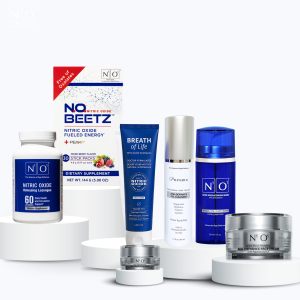
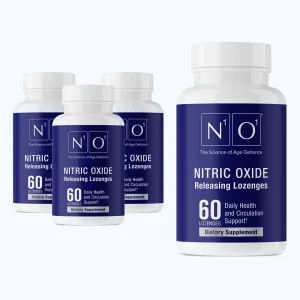
If you identify with any of the low nitric oxide symptoms mentioned, consider consulting your healthcare provider to discuss your symptoms and explore potential solutions. Lifestyle changes such as increasing physical activity, improving your diet, and considering nitric oxide supplements like N1o1 Nitric Oxide Lozenges may be beneficial. Keep in mind that addressing underlying risk factors and adopting healthier habits can significantly impact your nitric oxide levels and overall well-being.
For more information on the impact of nitric oxide on health, explore our resources on heart health and science and clinical results.
Remember, this content is for educational purposes only and is not intended as medical advice. Consult your healthcare provider before starting any supplement regimen.
A Deeper Dive into Low Nitric Oxide Symptoms: Research Data and Statistics
Understanding the symptoms of low nitric oxide is crucial, as it plays a pivotal role in various physiological functions. Recent research underscores the importance of maintaining optimal nitric oxide levels for cardiovascular health and overall well-being. According to a study published in the Journal of the American Heart Association, individuals with low nitric oxide levels are at increased risk of developing hypertension and other cardiovascular conditions.
A 2020 study analyzed data from over 1,000 participants and found that those with low nitric oxide levels reported higher incidences of fatigue, poor circulation, and cognitive decline. This research highlights the correlation between nitric oxide deficiency and common health issues, emphasizing the need for awareness and intervention.
Furthermore, a clinical trial published by the National Institutes of Health demonstrated that increasing nitric oxide production through dietary supplements significantly improved endothelial function and reduced blood pressure in participants with low nitric oxide levels. Such findings suggest that addressing low nitric oxide symptoms can lead to substantial health benefits.
Frequently Asked Questions About Low Nitric Oxide Symptoms
What are the most common low nitric oxide symptoms?
The most common symptoms of low nitric oxide include fatigue, decreased exercise tolerance, poor circulation, and cognitive difficulties. These symptoms occur because nitric oxide is essential for blood vessel dilation, oxygen delivery, and neurotransmission.
Can diet influence nitric oxide levels?
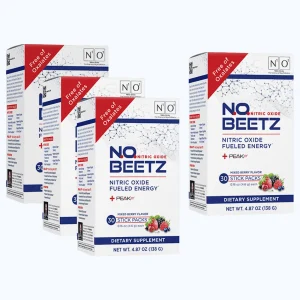
Yes, diet plays a significant role in nitric oxide production. Consuming foods rich in nitrates, such as leafy greens and beets, can enhance nitric oxide levels. Additionally, products like N.O. Beetz can support nitric oxide production for those looking to optimize their dietary intake.
How can I effectively increase my nitric oxide levels?
Increasing nitric oxide levels can be achieved through lifestyle changes such as regular exercise, a diet rich in nitrates, and the use of supplements. Consider trying N1o1 Nitric Oxide Lozenges to support your nitric oxide levels and improve overall health.
Are there any long-term effects of low nitric oxide levels?
Chronic low levels of nitric oxide may contribute to long-term cardiovascular issues, including hypertension and atherosclerosis. It can also affect cognitive functions and physical performance over time, underscoring the importance of maintaining healthy nitric oxide levels.
What role does age play in nitric oxide levels?
As we age, the body’s ability to produce nitric oxide naturally declines. This can exacerbate the symptoms of low nitric oxide, such as reduced blood flow and increased blood pressure. Using age-specific products like the Age-Defiance Face Cream can help address skin-related symptoms of declining nitric oxide levels in older adults.
Key Takeaways
- Low nitric oxide levels are linked to symptoms such as fatigue, poor circulation, and cognitive decline.
- Research indicates a strong connection between low nitric oxide levels and cardiovascular health risks.
- Dietary nitrates and exercise are effective ways to boost nitric oxide production.
- Supplements like N1o1 products can help manage low nitric oxide symptoms.
- Aging naturally reduces nitric oxide production, making it essential to monitor and address symptoms proactively.
*This content is for educational purposes only and is not intended as medical advice. Always consult your healthcare provider before starting any new supplement regimen.*