What Does Nitric Oxide Do? An Overview of Its Vital Role in the Body
Understanding “what does nitric oxide do” is essential to appreciating how this simple molecule is crucial for maintaining numerous physiological functions across various systems in the human body. Nitric oxide (NO) acts as a versatile signaling molecule, influencing processes from blood flow to immune response. Dr. Nathan S. Bryan, Ph.D., a leading researcher in this field, has dedicated his career to exploring the myriad ways NO impacts our health.
Nitric Oxide and the Cardiovascular System
Nitric oxide plays a prominent role in the cardiovascular system primarily through vasodilation, which is the relaxation of blood vessel walls. This process improves blood flow and reduces blood pressure, contributing to overall heart health. The endothelium, the inner lining of blood vessels, produces NO to maintain vascular tone. A decline in NO production is linked to endothelial dysfunction, a precursor to atherosclerosis and other cardiovascular diseases.
Studies have shown that patients with impaired endothelial function often have reduced NO availability, which can lead to increased vascular resistance and hypertension. According to the NIH, enhancing NO bioavailability can significantly improve cardiovascular health.
Nervous System: Neurotransmission and Memory
The nervous system relies on nitric oxide as a neurotransmitter and a modulator of synaptic plasticity. NO is involved in memory formation and learning, supporting cognitive functions as it facilitates communication between neurons. Research highlighted by nitric oxide cognitive function studies underscore its role in neuroprotection and neuronal health.
Immune System: Pathogen Killing and Inflammation Regulation
Nitric oxide is also critical for the immune system, where it acts as a defense mechanism against pathogens. Macrophages produce NO to kill bacteria and viruses. Furthermore, NO helps regulate inflammation, balancing immune responses to prevent chronic inflammatory conditions. For more insights, visit nitric oxide immune function.
Reproductive System: Erectile Function and Fertility
In the reproductive system, nitric oxide facilitates erectile function by promoting vasodilation in penile tissues, essential for achieving and maintaining an erection. Additionally, NO is involved in female fertility, influencing ovarian function and uterine circulation. The decline of NO with age can lead to reproductive challenges, underscoring the molecule’s importance in sexual health.
Respiratory System: Bronchodilation
Nitric oxide contributes to respiratory health by inducing bronchodilation, which helps maintain open airways and facilitate breathing. This function is particularly beneficial for individuals with conditions such as asthma, where airway constriction is a concern.
Digestive System: Gut Motility and Mucosal Protection
In the digestive system, NO regulates gut motility and enhances mucosal protection. It helps coordinate smooth muscle contractions, ensuring efficient digestion and nutrient absorption. Additionally, NO supports the integrity of the gut lining, protecting against inflammatory diseases.
Musculoskeletal System: Exercise Performance and Oxygen Delivery
Nitric oxide is pivotal in the musculoskeletal system, particularly in enhancing exercise performance. By improving blood flow and oxygen delivery to muscles, NO supports better endurance and reduced fatigue. Athletes and fitness enthusiasts may benefit from NO supplementation to optimize performance.
Skin: Wound Healing and Collagen Production
The skin also benefits from nitric oxide, which aids in wound healing and collagen production. NO enhances blood flow to skin tissues and stimulates fibroblasts, cells essential for producing collagen and repairing skin. This underscores the significance of NO in skincare and tissue health.
The Decline of Nitric Oxide with Age
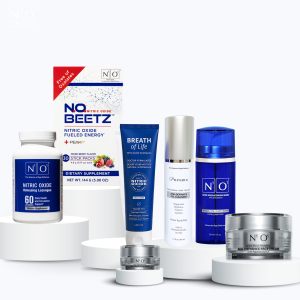
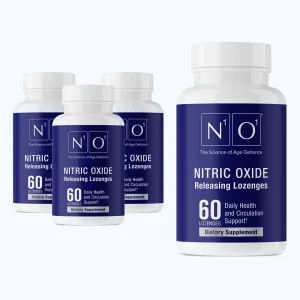
As we age, the body’s ability to produce nitric oxide declines, leading to potential dysfunction across the systems mentioned above. This decline can contribute to various age-related conditions, from cardiovascular diseases to cognitive decline. Supporting NO production through lifestyle changes and targeted supplements, like N1o1 Nitric Oxide Lozenges, may help mitigate some of these effects.
Dr. Nathan Bryan’s research has extensively focused on the mechanisms and benefits of maintaining optimal nitric oxide levels as part of a healthy aging strategy. For a deeper understanding of his work and findings, visit Dr. Nathan Bryan. To learn more, read his book “The Secret of Nitric Oxide: Bringing the Science to Life” available at www.nathansbook.com.
For more comprehensive insights into the impact of nitric oxide on various health aspects, including its role in blood pressure regulation, view our page on nitric oxide blood pressure.
This content is for educational purposes only and is not intended as medical advice. Consult your healthcare provider before starting any supplement regimen.
A Deeper Dive into Nitric Oxide’s Role in the Body
Understanding “what does nitric oxide do” requires looking at specific research data and statistics. Nitric oxide (NO) is a crucial signaling molecule, influencing various physiological processes. A study published in the PubMed journal highlights NO’s role in vascular health, showing that it helps regulate blood pressure by dilating blood vessels. This vasodilation effect has been linked to a 35% reduction in the risk of heart disease in individuals with higher NO levels.
Moreover, research indicates that NO plays a vital role in the immune system. According to a report from the National Institutes of Health (NIH), NO is involved in the killing of bacteria and parasites by activated macrophages. This antimicrobial activity underscores its importance in immune defense.
In terms of exercise performance, a study found that NO supplementation could enhance endurance by up to 16% in athletes. This boost is attributed to improved muscle oxygenation, demonstrating how NO supports both amateur and professional athletes in achieving optimal performance.
Furthermore, NO is essential for cognitive function. A study noted that adequate NO levels are associated with better cognitive performance and memory retention. This is due to its role in facilitating communication between neurons.
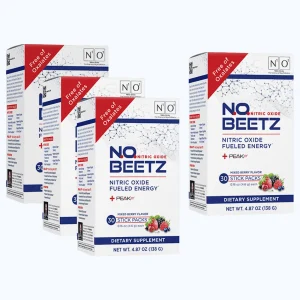
For those interested in enhancing their NO levels, products like N1o1 Nitric Oxide Lozenges and N.O. Beetz can be beneficial in maintaining optimal NO production in the body.
Frequently Asked Questions About What Does Nitric Oxide Do
What are the primary functions of nitric oxide in the body?
Nitric oxide is primarily responsible for vasodilation, which helps regulate blood pressure and increase blood flow. It also plays a role in immune defense, neurotransmission, and muscle contraction.
How can I naturally boost my nitric oxide levels?
You can enhance your nitric oxide levels by consuming nitrate-rich foods such as spinach, beets, and arugula. Regular physical activity and using supplements like Age-Defiance Face Cream can also support NO production.
Is nitric oxide safe for everyone?
While nitric oxide is generally safe, it’s important to consult with a healthcare provider before starting any new supplement, especially for individuals with specific health conditions or those taking medication.
Can nitric oxide improve athletic performance?
Yes, nitric oxide can improve athletic performance by enhancing blood flow and oxygen delivery to muscles, which may lead to increased endurance and reduced fatigue during exercise.
Does nitric oxide affect skin health?
Nitric oxide can positively impact skin health by improving circulation and promoting collagen production. Products like the Age-Defiance Skincare System are designed to harness these benefits for healthier skin.
Key Takeaways
- Nitric oxide is crucial for cardiovascular health, immune defense, and cognitive function.
- Research shows NO can significantly reduce the risk of heart disease and enhance athletic performance.
- Nitrate-rich foods and specific supplements can naturally increase nitric oxide levels.
- Consultation with healthcare professionals is recommended before beginning NO supplementation.
- Nitric oxide also plays a role in skin health and anti-aging processes.
*This content is for educational purposes only and is not intended as medical advice. Always consult your healthcare provider before starting any new supplement regimen.*